


When SNAP Pauses: How to Get Help (and Help Others)


Starting Nov. 1, the Supplemental Nutrition Assistance Program (SNAP) was suspended in an unprecedented move that will impact millions of families. Even if you’re not affected, you may be wondering how you can help those who are.
One thing is clear in the face of uncertainty: we're stronger together. Here's how to navigate what's ahead and show up for your community.
THE IMPACT
- 42.4 million people participate in SNAP
- 22.6 million households receive benefits
- $190.59 = average monthly benefit per person
- WIC (the program for Women, Infants and Children) is also at risk
What to do when SNAP ends
If you rely on SNAP or WIC, you need immediate resources to help you get food on the table.
Get help right away
- Call 211 or visit 211.org to locate emergency resources in your area. It’s available 24/7, no questions asked.
- Find a food pantry. Visit FeedingAmerica.org and FoodPantries.org to locate the closest options.
Veterans: Contact the VA for options through the VHA Food Security Office.
Stay informed
- Keep an eye on your state's SNAP office for the latest updates.
- Use what’s still on your EBT card. The pause only affects new benefits. You can still shop after Nov. 1 using funds already loaded to your card. Check your balance on the ebtEDGE app.
- Recertify SNAP and report changes as needed.
Connect with longer-term support
- Local meal programs. Try FindHelp.org or check local Facebook groups. Many communities are banding together to offer hot meals and groceries through the shutdown.
- Faith-based organizations. Simply Google “church food pantry near me” for ministry listings. Most do not require you to be a member (or even religious) to get the help you need.
- Nonprofits that may not normally focus on food assistance but are providing help during this time.
Budget tips for the gap
When SNAP and WIC pause, every dollar counts. After you've visited a food pantry, here's how to maximize the food you do have:
- Buy meat on sale. Meat is often the biggest line item in a food budget, so catching it on markdown can free up $20-30 a week for other essentials. In addition to checking weekly store ads, ask your meat department when they mark down items. You might be able to get first dibs.
- Stock up on cheaper protein. Canned fish, dried beans, and peanut butter are budget staples that work in dozens of meals. They’re shelf-stable and cost a fraction of fresh meat. Buy in bulk when prices dip and stock your pantry.
- Batch cook and freeze portions for later in the week. Pastas, soups, and chili are forgiving, filling, and reheat beautifully. One cooking session becomes 4-5 meals, which means less time in the kitchen and fewer decisions when you're tired or stretched thin.
- Embrace chicken and rice (or beans and rice). These combos are filling, affordable, and endlessly customizable. Flavor with salsa one night and soy sauce the next. They're not boring — they're a blank canvas. And a pound of rice feeds a family for pennies.
- Don't skip breakfast. Eggs, oatmeal, toast, and pancake mix are filling and cheap. And eating a solid breakfast means fewer snack cravings later, which saves money. Breakfast foods are also great for dinner, so you're getting double duty from budget-friendly staples.
- Look for holiday meal deals. Retailers like Aldi and Walmart are offering Thanksgiving grocery bundles designed to feed a family of 10 — all for about $40.
How to support your community
Even if you’re not impacted by the government shutdown, you may be looking to free up room in your budget to help out. You don't need a lot to make a difference. If you're living paycheck to paycheck yourself, there are meaningful ways to show up.
- Donate what you can afford. A few dollars to an area food bank or community organization makes a real difference when multiplied across many people.
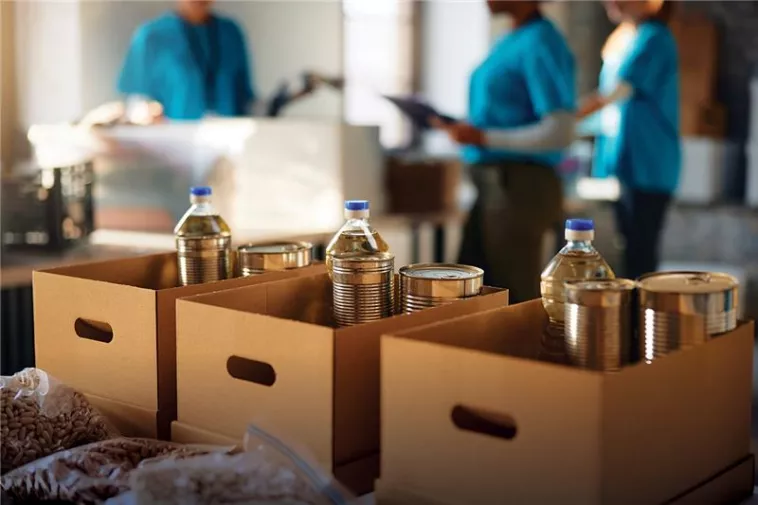
- Donate food you already buy. Nonperishables you’d buy anyway, like rice, beans, canned goods, and pasta, are always needed at food banks. Buy extra when you can — and go through your own pantry for anything you haven’t used that’s worth donating.
- Give your time instead of money. Volunteer at a food pantry, help a neighbor with groceries, share cheap cooking tips with friends … Time is often more valuable than cash.
- Organize a community meal. A hearty breakfast, spaghetti dinner, or potluck at a church, fire station, or community center brings neighbors together and stretches resources. You can contribute a dish, help cook, or simply show up.
- Amplify the message. Share resources, articles, and information about SNAP, food pantries, and community support. Awareness is free and powerful.
- Sponsor a family. Do you know someone who’s lost their benefits? “Adopt” their family through the holiday season. Whether you commit to providing weekly meals or simply shop for their Thanksgiving dinner, you’re showing up for someone and making a direct impact.
What to donate to your local food bank or pantry (and what not to)
| What to donate 👍 | What not to donate 👎 |
Proteins
Grains & staples
Produce
Often-overlooked items
|
|
*Note: Most food banks work out of distribution-style warehouses, so they can’t handle perishables. But your community food pantry might be happy to take fresh milk, eggs, butter, cheese, or produce. The best move? Just ask. They’ll tell you what they actually need, and you’ll know your donation is going to help.
FAQs
Can I donate money instead of food?
Yes! Even $5 adds up when the whole community chips in. Plus, organizations can buy those often-overlooked items, like baby formula. Your money goes further than you'd think.
What if I can't afford to donate right now?
That's okay. If money's tight for you too, share this guide in a group chat, tag your local food bank on social, or just tell a friend where to find resources. Spreading the word costs nothing and helps more than you think!
How do I find a food bank or pantry near me?
Start with Feeding America's food bank locator or Google “[your city] food bank.” Most communities have multiple options, and many offer delivery or mobile pantries if transportation is a barrier.
Can I volunteer instead of donating?
Of course! Food banks and pantries always need help sorting, packing, and handing out food. Your time is often more valuable than cash, especially if you can commit to regular hours. Just call your local one and ask what shifts they have open.
What happens to my donation?
It goes straight to families in your community. Food banks collect, sort, and distribute to community pantries, which then hand out groceries to those in need. Nothing gets wasted.
Will I qualify for help at a food pantry?
Most pantries don't have income requirements or eligibility checks. You just show up. Some ask a few basic questions, but it's quick and confidential. Call ahead if you want to know what to expect.
What if I need more than just food?
Food pantries often have connections to other types of help — utility assistance, job training, even childcare resources. Ask the staff. They know what's available in your community and can point you in the right direction.
Notice: Information provided in this article is for informational purposes only. Consult your attorney or financial advisor about your financial circumstances.
 About the author
Jennifer McKnight is the Senior Content Writer at Advance America, where she turns complicated financial topics into plain, helpful content. She's here to make sure you have what you need to feel informed and confident when it matters most.