



Image

Scammers have gotten so good at impersonating real lenders that it's sometimes hard to tell them apart. They often use trusted company names and convincing tactics to lower your guard and steal your money.
But legit lenders and scammers do things differently. Understanding how online loans work and what red flags to look out for will help you choose a safe lender.
Online loans are a convenient way to get money fast without stepping into a physical branch. Here's how the process works:
The funding timeline depends on the lender and your bank. Some online lenders will send your funds the same day you’re approved. Others might take a few business days. Always read the terms before you accept, so you know exactly when you'll get your money — and when you need to pay it back.
Different loans serve different needs. For example, an Installment Loan could work well for bigger expenses like medical bills or home repairs. A Payday Loan or Line of Credit might suit smaller expenses. You'll also find auto loans, title loans, student loans, and credit-builder loans, each designed for specific situations.
💡Tip: Each personal loan option has different requirements, costs, and timelines. Pick the one that fits your situation and budget.
It’s not always easy to tell legit online loans from the scams. If you spot any of these warning signs, report the scam and look elsewhere.
Real lenders don’t ask you to pay out of pocket to receive a loan. Any genuine fees are deducted from the loan amount or included in your repayment plan.
You should never have to give money to get money. Only scammers will demand a "processing fee," "good faith deposit," or “verification fee.”
Read the lender’s customer reviews on sites like Trustpilot and check their rating and accreditation on the Better Business Bureau (BBB). You should also verify they’re licensed to issue loans in your state.
Can't find state licenses, customer reviews, or proof they're registered with your state's banking department? Walk away.
Even online-only companies have real addresses. If you only see a P.O. box, no address at all, or the location doesn't check out on Google Maps, you could be dealing with a fraudulent lender.
💡Tip: Advance America has over 750 physical stores across 23 states; you can visit us in person if you’d like.
Watch for poor grammar, misspellings, broken links, missing contact information, or an outdated design. A professional site isn't a guarantee of legitimacy, but a sloppy one often signals a scam.
Scammers also create fake websites that mimic real lenders. Always verify the URL and visit the official website directly rather than clicking suspicious links from emails or texts.
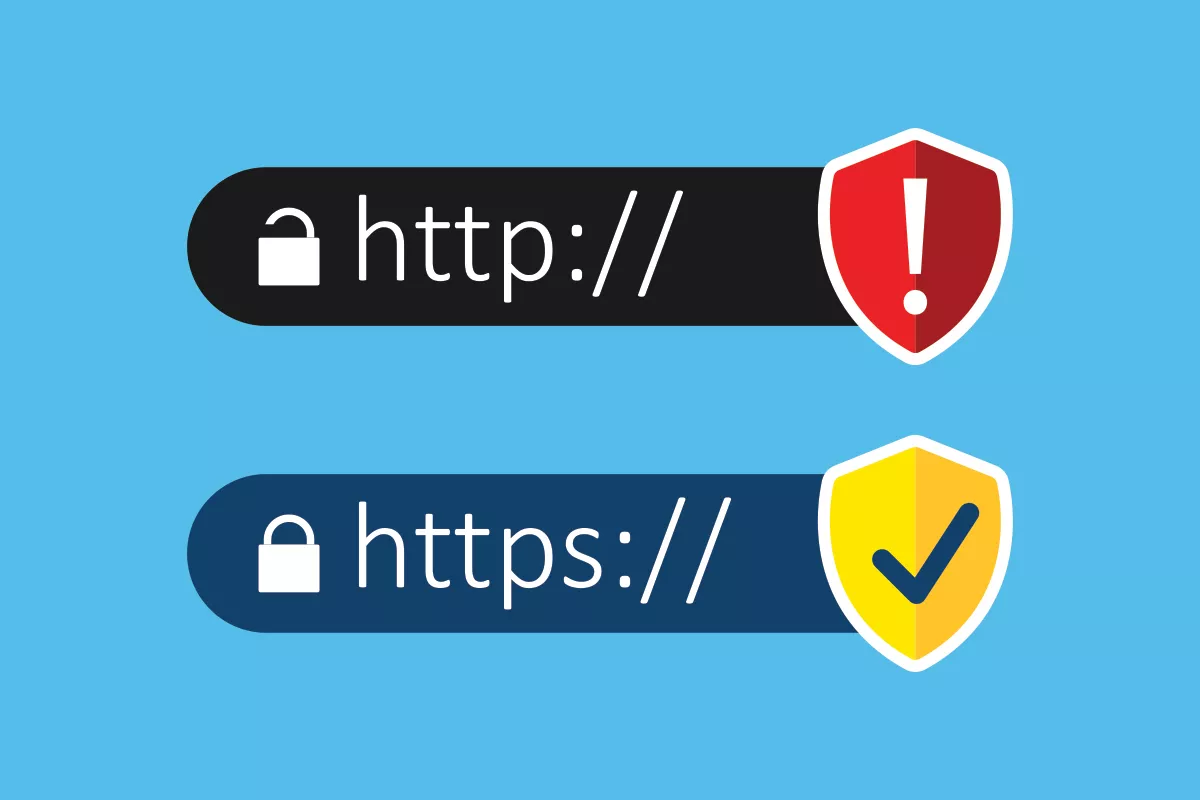
💡Tip: A secure website will start with https:// and have a padlock icon in the address bar.
Lenders can’t guarantee your application will be approved, even if you receive a legitimate pre-approval offer. Pre-approval offers are conditional and based on an initial review, but the lender still needs to review your current situation.
Scammers often ask you to send them prepaid cards, wire transfers, or gift cards. These payment methods are nearly impossible to trace or reverse, which is exactly why scammers prefer them.
Legitimate lenders accept standard payment methods like bank transfers, checks, or credit/debit cards… and they never ask for payment before your loan is approved and funded.
Legitimate lenders don't conduct business on social media. If someone on Facebook, Instagram, or TikTok claims to represent a lender and offers you a loan or claims you’ve won a sweepstakes, it's a scam. Visit the lender's official website or call their verified phone number instead.
Scammers create fake emails that mimic legitimate lenders. They might use addresses that look almost identical to real company emails, like swapping a capital i for a lowercase L or adding an extra letter. These tricks can be hard to spot at first glance.
Legit lenders also won't ask you to verify your Social Security number, bank details, or other sensitive information via email. If you're unsure whether an email is real, don't click any links. Instead, log in to your account directly or call the lender’s verified phone number.
Debt collectors are prohibited by law from using threats, intimidation, foul language, or making false claims about wage garnishment or legal action. If a collector can't or won't provide loan agreement information or your payment history when you ask, that's a major red flag.
So, is Advance America legit? Yes! Since 1997, we've been a licensed lender helping customers access the money they need. We comply with federal lending laws and currently operate in 23 states with over 750 physical locations.
Our loans are straightforward with no hidden fees or surprises. We're upfront about interest rates, repayment terms, and what you'll owe before you sign any loan agreement.
Here’s how to know you're dealing with the real Advance America:
Legit Lender vs. Scams | |
|---|---|
Advance America | Fake Lenders or Imposters |
| No upfront fees | Demands money to “process” your loan |
| Pre-approval offers still require a full application review | Claims you’re approved for thousands without reviewing your info |
| Secure website (https://) and application | No website or sketchy third-party site |
| Official contact through verified phone numbers, text, or email | DMs on social media or spoofed numbers |
Absolutely. Advance America has been helping customers with financial solutions since 1997. We're licensed and regulated in 23 states, and we're committed to transparent, ethical lending practices.
No, Advance America is a legitimate lender. Sadly, though, scammers do impersonate us online and over the phone.
To make sure you're dealing with the real Advance America, you should only apply online through our official website or by visiting a physical location. Never share personal information through unsolicited texts, emails, or calls claiming to be from us.
We will never ask you to pay to apply, process your loan, or verify your account. If you're ever unsure, visit a local store or call us directly at (844) 562-6480.
Yes. We are currently licensed to operate in 23 states and comply with all federal and state lending laws. You can confirm our licensing status by contacting your state’s attorney general’s office or the state agency responsible for regulating consumer lending.
Notice: Information provided in this article is for informational purposes only. Consult your attorney or financial advisor about your financial circumstances.
 About the author
Jalin Coblentz has contributed to Advance America since 2023. His experiences as a parent, full-time traveler, and skilled tradesman give him fresh insight into every personal finance topic he explores.