



Image
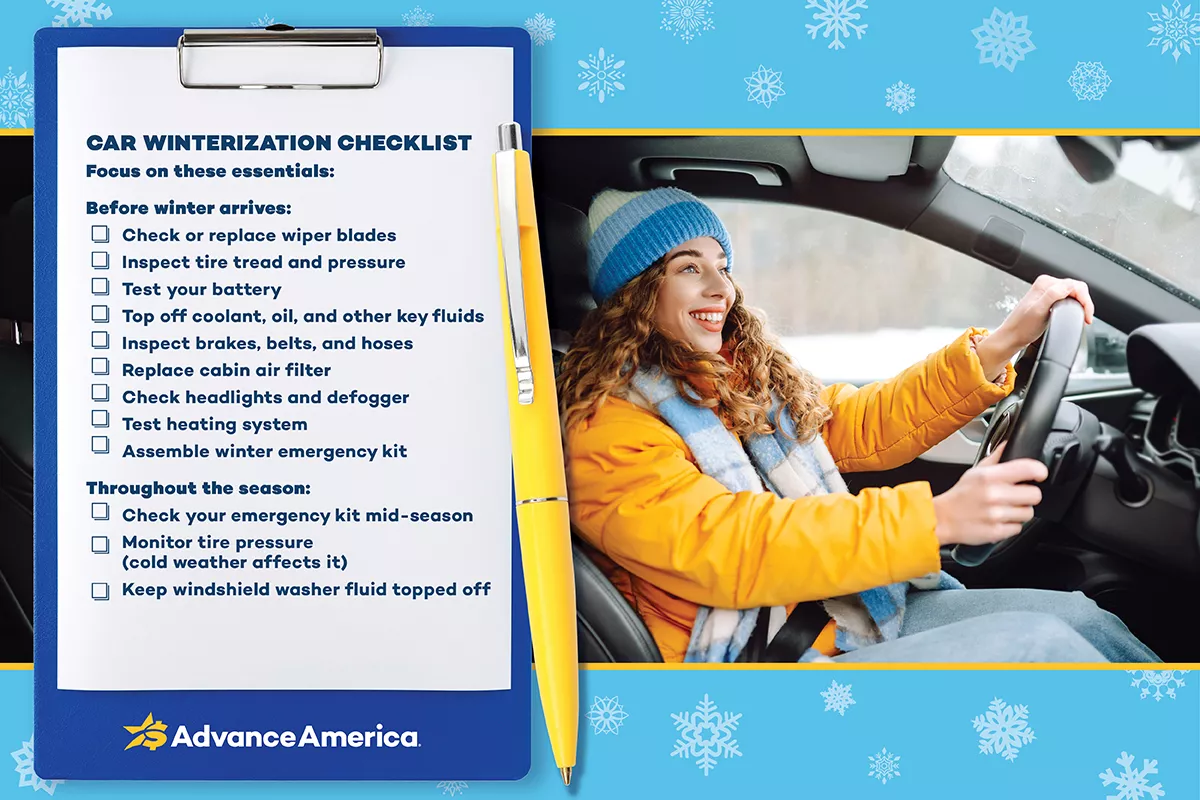

Winter driving tests your car and your budget. Between new tires, fluid checks, battery tests, and emergency kits, winterizing can feel expensive. But here's the thing: a little prep now can save you from bigger, costlier problems later.
We'll show you what to do, what it costs, and how to do it smartly without overspending.
No matter what type of car you drive, cold weather puts it to the test. Winter prep isn't glamorous, but it's one of the smartest investments you can make for your safety and your wallet.
Why? Here are a few things winter can do to an unprepared car:
Tackle these issues in mid-to-late fall, and you'll head into winter feeling prepared and in control.
➢RELATED: Leasing vs. Buying a Car: 7 Things to Consider First
You can winterize your car for as little as $50 if you handle the basics yourself. But investing in a full professional tune-up can cost $500 or more.
Here’s a breakdown of what to expect:
| Winterization Items | Cost | DIY or Pro? |
|---|---|---|
| New tires | $300 to $600 | Pro |
| Wiper blades | $25 to $60 | DIY or Pro |
| Battery test or replacement | $0 to $200 | Pro |
| Portable car charger | $100 to $200 | DIY |
| Winter-grade oil change | $30 to $75 | DIY or Pro |
| Antifreeze refill | $10 to $30 | DIY |
| New headlights | $15 to $30 | DIY or Pro |
| Brake check or replacement | $25 to $200 | Pro |
| Tire pressure guage | $15 to $20 | DIY |
| Emergency kit supplies | $20 to $100 | DIY |
| Comprehensive winter tune-up* | $100 to $300 | Pro |
*Comprehensive tune-up typically includes: Battery test, fluid check brake inspection, belt and hose check, and tire rotation. | ||
Total estimated cost:
| ||
Now that you understand the importance, here’s how to prepare your car for winter:
Check your tire pressure weekly (cold weather lowers air pressure). Make sure tread isn't worn down, as low tread reduces grip on slippery roads. If your tires are over two years old or worn, replace them with winter or all-weather tires designed to handle icy roads.
Cold weather slows down the chemical reaction in your battery, reducing its power. Check your alternator and battery power level before winter hits. You can do this for free during oil changes or for a small fee at AutoZone or Advance Auto Parts.
Cold weather makes car fluids thicker, affecting their ability to work properly. Check and top off antifreeze, transmission fluid, brake fluid, motor oil, and other fluids. Check them monthly to ensure your car stays in safe working order.
The last thing you want is to hit the brakes on a slippery road and have nothing happen. Getting your brakes and brake pads checked at every oil change will ensure they’re ready to go when winter hits.
Check your car’s main belts, hoses, and filters each month to keep your car working efficiently. Focus on:
Winter means darker days and poor visibility. Check your wiper blades and replace them if they're worn or streaking. Make sure your headlights are working and clean any residue that might reduce brightness. A clear windshield and working lights are essential for safe winter driving.
Make sure your car's heating system is working before it gets cold. If you get stranded, your heater will keep you warm until help arrives. Also, wash your car at least once per week to prevent rust and salt buildup on the undercarriage and exterior.
If you get stranded in winter weather, you'll want supplies on hand. A well-stocked emergency kit can keep you safe and warm until help arrives — and you probably already have most of these items at home.
Essential supplies:
Nice-to-have extras:
Premade kits start at around $20 (bigger ones run $100+), or you can gather items from home for free. For anything you're missing, budget retailers and discount stores have most of these items for just a few dollars each. Either way, you'll be prepared without breaking the bank!
💡Tip: Check your kit before winter and again mid-season. Make sure batteries work, blankets are dry, and snacks haven't expired.
Winterizing your car doesn't have to drain your budget.
Here are smart ways to save without cutting corners on safety:
Don’t skip the essentials. Saving money is smart, but cutting corners on tires, wiper blades, or fluids can backfire. A $50 tire replacement now beats a $500 accident repair later.
Know your limits. If you're unsure about any step, skip the DIY and visit a trusted mechanic. A pro can handle it faster and safer than you trying to figure it out.
➢RELATED: How a $10 Fix Helped Me Avoid a $2,000 Car Repair
Winterizing your car doesn't have to be complicated. Plus, you’ll have peace of mind knowing you're prepared for anything. But if unexpected expenses do come up, you know you have options (like a Line of Credit) to cover costs.
Start with the essentials: check your tire pressure, top off fluids, and test your battery. These are low-cost or free and address the biggest safety risks. Build your emergency kit from items at home, then prioritize the rest based on your budget. Can I winterize my car myself?
It depends on your comfort level and the task. Simple jobs like checking tire pressure, topping off fluids, replacing wiper blades, and assembling an emergency kit are DIY-friendly. More complex tasks, like replacing your tires, are better left to a professional. When in doubt, visit a trusted mechanic. It's safer and faster than trying to figure it out yourself.
Notice: Information provided in this article is for informational purposes only. Consult your attorney or financial advisor about your financial circumstances.